Caught in the Moment: The Physical Artifacts That Connect Phillies Fans to Baseball History
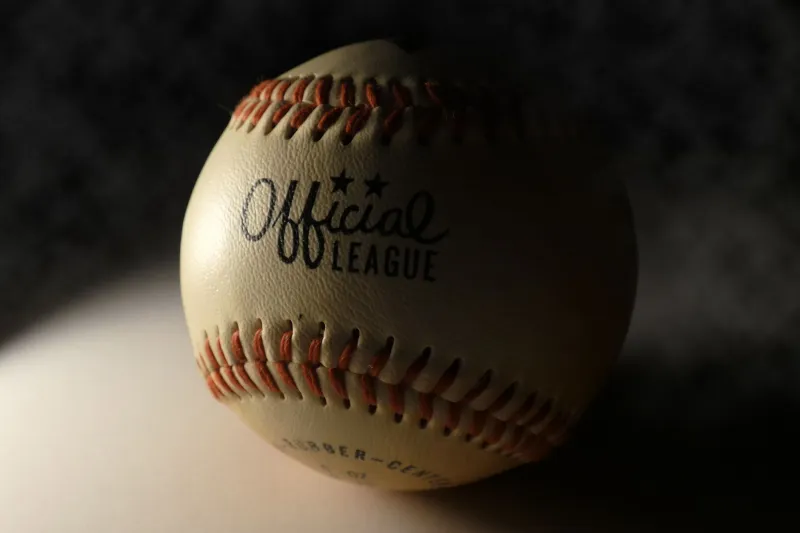
There's a foul ball sitting on a shelf in a rowhouse in South Philly. No fancy display case, no certificate of authenticity pinned next to it. Just a scuffed-up Rawlings baseball and a story its owner has told about a hundred times — the night Ryan Howard sent a late-inning foul tip screaming into the lower deck and it landed two rows in front of him before bouncing right into his hands. That ball isn't worth much at auction. To him, it's worth everything.
That's the thing about Phillies memorabilia that doesn't always show up in price guides. The most irreplaceable pieces aren't necessarily the ones with the biggest dollar signs. They're the ones with the best stories.
What Makes a Stadium Artifact "Historic"?
Let's be honest — every foul ball, every torn ticket stub, and every crumpled program from a rain-delayed Tuesday night game in April is technically a piece of history. But certain moments elevate an ordinary object into something fans feel in their chest.
Think about the 2008 World Series. Phillies fans who were inside Citizens Bank Park for Game 5 — the clincher — walked out of that stadium carrying an energy that was almost physical. The ticket stubs from that night, the programs, even the foam fingers, became instant time capsules. Collectors who held onto those items weren't thinking about resale value. They were holding onto proof that they were there.
The same goes for walk-off wins. There's something about a game that ends on one swing — a Bryce Harper bomb, a J.T. Realmuto sprint down the first base line — that crystallizes a moment in a way a regular box score never could. Signed bats from walk-off games, game-used bases from playoff clinchers, even lineup cards that managers tossed into the stands after wins — these items carry the specific emotional weight of a single unforgettable night.
The Collectors Who Know This Better Than Anyone
Dedicated Phillies collectors will tell you that authenticity is everything, but context is what turns an authenticated item into something genuinely special. A signed baseball is nice. A signed baseball from the night a pitcher threw a complete game shutout in the playoffs? That's a conversation piece for life.
Long-time collectors often organize their displays not by player or era but by moment. One collector described it this way: "I've got a section of my room that's basically just the 2022 postseason run. Every piece in it has a specific game attached to it. When I look at it, I'm not looking at stuff — I'm reliving the whole thing."
That approach — organizing around moments rather than players — is becoming more common among serious Phillies fans. It also makes the collection easier to explain to people who aren't deep into baseball, because everyone can relate to a story.
How to Authenticate What You've Got (or What You're Buying)
Here's where things get practical. Whether you caught something at the ballpark or picked up an item from a private seller, authentication matters — both for peace of mind and for protecting your investment over time.
Third-party grading and authentication services like PSA (Professional Sports Authenticator) and Beckett Authentication Services are the gold standard for signed items. If you've got a signed Phillies jersey, bat, or ball that you're serious about preserving, getting it authenticated by one of these services adds a layer of credibility that holds up whether you're insuring the item or eventually passing it on.
Game-used items are a different category. Jerseys, bats, and bases used in actual games often come with MLB's own hologram authentication system through the league's official authentication program. If you're buying a game-used piece and it doesn't have that hologram, ask hard questions before you hand over any money.
Foul balls and stadium-caught items are trickier, obviously, since there's no paperwork for a ball that bounced into your glove. But if you have photos or video from the game — even just a screenshot from a broadcast showing the foul going into your section — that documentation adds real value to the story and the item.
Displaying Your Pieces the Right Way
Once you've got something worth keeping, how you display it matters. Sunlight is the enemy of signed items — UV rays fade ink faster than you'd think, especially on fabric. UV-protective display cases aren't expensive and they make a huge difference over the years.
For baseballs, individual acrylic cubes are the easiest solution. Stack them, line them up, or use a multi-ball display rack if you're building a serious collection. For jerseys, framed displays with UV glass look sharp and keep the fabric from yellowing. Add a small printed card or handwritten note describing the moment — the date, the game, the significance. Future generations will thank you.
Bats are a little trickier to display, but wall-mounted bat holders work well for showing them off horizontally without taking up shelf space. If the bat is signed, make sure the signature faces outward and isn't resting against any surface that could cause transfer or smearing over time.
Why Some Things Are Worth More Than Money
The secondary market for Phillies memorabilia is real, and we'll talk more about navigating that world in other pieces. But it's worth saying plainly: not everything should be for sale.
The foul ball from a night you took your dad to the game. The signed program from the first time your kid saw the Phillies win. The ticket stub from the night you got engaged in the upper deck. Those things have a value that doesn't exist on any price guide, and no amount of authentication paperwork changes what they mean to you.
The best Phillies collections aren't the biggest ones or the most expensive ones. They're the ones that tell a story — your story, connected to this team, this city, and these moments that Phillies fans will be talking about for the rest of their lives.
Gear up, rep red, and hold onto the stuff that makes you feel it. That's what collecting is really about.