More Than a Keepsake: The Collector's Guide to Phillies Memorabilia That Stands the Test of Time
In the basement of a rowhouse in Kensington, there's a framed 1980 World Series pennant hanging above a shelf lined with autographed baseballs, a signed Mike Schmidt photo, and a ticket stub from Game 6. The owner — a retired schoolteacher named Frank — has been collecting Phillies memorabilia for over four decades. He doesn't think of it as an investment portfolio. He thinks of it as a family album.
"Every piece in this room tells a story," Frank says. "The pennant was my dad's. The Schmidt baseball I got signed at a fan event in '84. That ticket stub — I was there. I was actually there. You can't put a dollar amount on that."
Frank isn't wrong. But here's the thing: you actually can put a dollar amount on some of it — and that number has been going up for decades.
Phillies memorabilia occupies a unique space where emotional resonance and tangible financial value overlap in ways that most collectibles don't. Whether you're a first-time buyer wondering where to start or a seasoned collector looking to expand your display, this guide covers everything you need to know about building a meaningful — and potentially valuable — Phillies collection.
Why Phillies Memorabilia Carries Lasting Weight
The Philadelphia Phillies are one of the oldest franchises in professional sports, founded in 1883. That history alone creates a deep well of collectible material spanning multiple eras, championship runs, and generational fan bases.
But it's not just longevity that makes Phillies memorabilia special — it's the emotional intensity of the fanbase itself. Philadelphia sports fans are famously passionate. They live and die with their teams in a way that few cities match. That passion translates directly into demand for authentic memorabilia, which in turn supports long-term value.
The 1980 World Series championship — the franchise's first — remains the single most culturally significant moment in Phillies history. Memorabilia tied to that season, from pennants and programs to autographed items from players like Mike Schmidt, Tug McGraw, and Pete Rose, continues to command serious attention from collectors. Schmidt's Hall of Fame status alone makes anything bearing his authentic signature a blue-chip collectible.
More recently, the 2022 and 2023 playoff runs have generated a new wave of collectible interest, particularly items signed by Bryce Harper, Zack Wheeler, and other current stars. These pieces represent the franchise's modern era and are already being snatched up by fans who understand that today's memorable moment becomes tomorrow's prized artifact.
Understanding Authentication: Don't Skip This Step
The single most important rule in sports memorabilia collecting is this: never buy an autographed item without a credible certificate of authenticity (COA). Full stop.
The memorabilia market, for all its excitement, has a well-documented problem with forgeries. A signed Bryce Harper baseball is only worth what it claims to be if you can prove it's real. That's where third-party authentication services come in.
The most reputable names in the authentication business include:
- PSA (Professional Sports Authenticator): The gold standard for cards, autographs, and vintage memorabilia. A PSA-authenticated and graded item typically commands significantly higher resale value.
- JSA (James Spence Authentication): Widely respected, particularly for autographed items. Many dealers and auction houses require JSA or PSA certification.
- Beckett Authentication Services (BAS): Strong reputation, especially in the trading card and autograph space.
At Phillies Sports Store, all autographed memorabilia comes with verifiable authentication documentation. When you're shopping elsewhere, always ask for the COA and verify it independently. Legitimate sellers welcome that due diligence.
What to Collect: A Tier Guide for Every Budget
Not every collector is working with the same budget, and the good news is that meaningful Phillies memorabilia exists at every price point.
Entry Level: Building the Foundation ($25–$150)
For fans just getting started, officially licensed pennants, replica championship rings, and team-branded display items are accessible entry points. These pieces may not carry the same long-term appreciation as autographed items, but they anchor a collection and create visual impact in any display space.
Limited-edition pins, commemorative patches, and stadium-exclusive items from significant games also fall into this category. They're affordable, officially licensed, and tied to specific moments in team history — which gives them narrative value even if the dollar value stays modest.
Mid-Range: The Heart of the Collection ($150–$1,000)
This is where serious collecting begins. Autographed baseballs, signed photographs, and authenticated trading cards from key Phillies players occupy this tier.
A signed baseball from a current Phillies All-Star typically falls in the $150–$400 range, depending on the player and the item's provenance. Vintage autographed items from retired legends can run higher — a signed Mike Schmidt baseball with strong authentication can easily clear $500 or more.
Game-used items — batting gloves, wristbands, and similar equipment — also land in this range and carry an added layer of authenticity that pure autographed items don't: these objects were literally part of the game.
Premium and Investment-Grade ($1,000+)
At the high end, you're looking at game-used jerseys, autographed bats from Hall of Famers, framed multi-signed displays from championship rosters, and rare vintage items tied to historic moments.
A game-used jersey from a significant playoff game, authenticated and documented, can command thousands of dollars — and that value tends to increase over time, especially as the player's career develops. The 1980 championship season remains the benchmark: original game-used items from that World Series are genuinely rare and priced accordingly.
Preservation: Protecting What You Own
Owning great Phillies memorabilia is only half the job. Preserving it properly is what separates a serious collector from someone who just has stuff sitting in a box.
Here are the core preservation principles every collector should follow:
Control your environment. Heat, humidity, and direct sunlight are the enemies of memorabilia. UV-protected display cases and frames are essential for anything you want to display. Keep storage areas climate-controlled — basements and attics are notoriously bad for temperature and moisture fluctuation.
Use archival materials. If you're storing items rather than displaying them, use acid-free sleeves, boxes, and tissue paper. Standard plastic and cardboard can degrade over time and damage the items inside.
Handle with care. Oils from your hands can damage autographs and paper items over time. Use cotton gloves when handling signed photographs or documents, and minimize unnecessary contact with autographed surfaces.
Document everything. Keep records of your authentication certificates, purchase receipts, and any provenance information. This documentation is what makes a collection transferable — whether you're passing it to family or eventually selling.
Display Ideas: Turning Your Collection into a Showcase
A great collection deserves to be seen. Here are some display approaches that Phillies fans swear by:
The Wall of Fame: Dedicate an entire wall — a home office, man cave, or finished basement — to framed Phillies pieces. Mix jerseys, signed photos, pennants, and framed ticket stubs for a dynamic, layered display that tells a visual story of the franchise.
The Shadow Box: Shadow boxes are perfect for smaller items — autographed baseballs, pins, patches, and ticket stubs — arranged together around a central photograph or jersey. They create a cohesive, museum-quality presentation that looks intentional and polished.
The Rotating Display: If your collection is large, consider rotating featured pieces seasonally. Display World Series items during October, Opening Day items in April, and so on. It keeps the collection feeling fresh and gives every piece its moment in the spotlight.
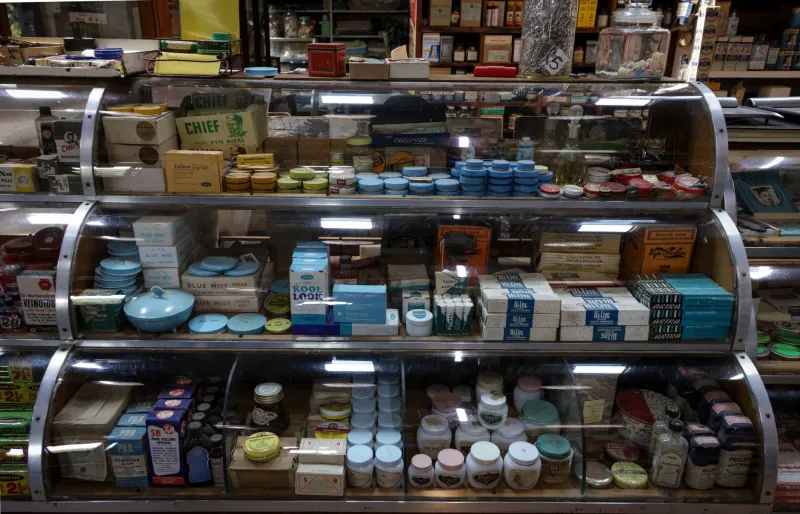
The Dedicated Cabinet: Glass-front display cabinets work beautifully for three-dimensional items like signed baseballs, bobbleheads, and replica trophies. They protect while displaying, which is the ideal combination.
The Emotional Return on Investment
Seasoned collectors will tell you something that the financial side of this hobby sometimes obscures: the most valuable pieces in any collection are the ones with personal meaning.
The ticket stub from the game your grandfather took you to. The pennant that hung in your childhood bedroom during the 1993 pennant race. The baseball your favorite player signed when you were eight years old and waited in line for two hours to meet him.
Those items aren't just collectibles. They're anchors to memory, to family, to the shared experience of being a Phillies fan across generations. That's something no price guide can fully capture.
At Phillies Sports Store, we believe that every piece of authentic Phillies memorabilia — from a $30 pennant to a $3,000 game-used jersey — carries that same potential for meaning. The best collections aren't built overnight, and they're not built purely for profit. They're built with intention, with love for the game, and with the understanding that some things genuinely deserve to be preserved.
Browse our full memorabilia collection at philliessportsstore.com and find the piece that belongs in your story. Because Phillies history isn't just something that happened on the field. It lives in the items we hold onto — and pass down.