Lucky Red: The Wild World of Phillies Fan Superstitions and the Gear Behind Them
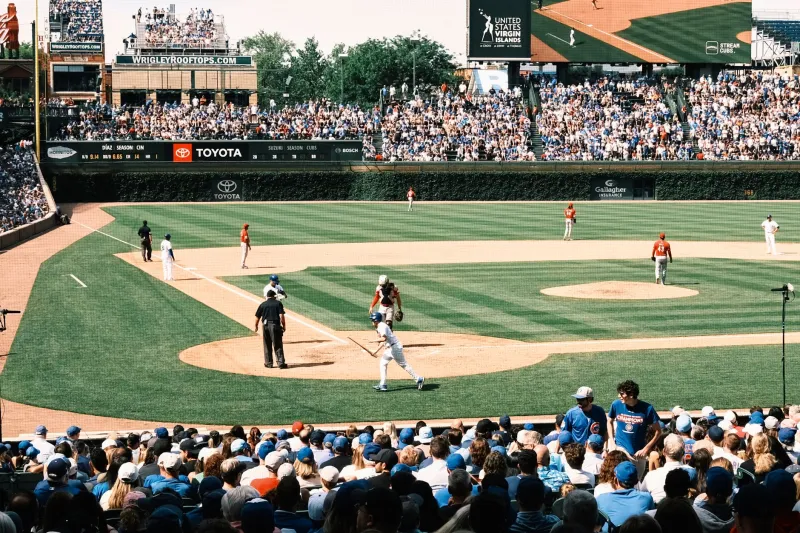
Let's be honest. You've done it. Maybe it was the Bryce Harper tee you wore when the Phillies came back from three runs down in the eighth. Maybe it was the red cap you almost left at home but grabbed at the last second — and then watched the bullpen actually hold the lead for once. Whatever it was, something clicked that day, and now that piece of gear isn't just clothing anymore. It's a contract between you and the baseball gods.
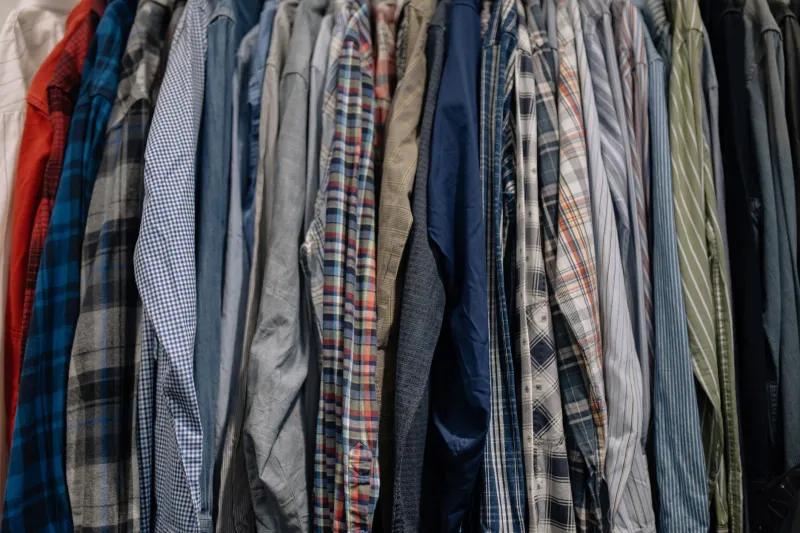
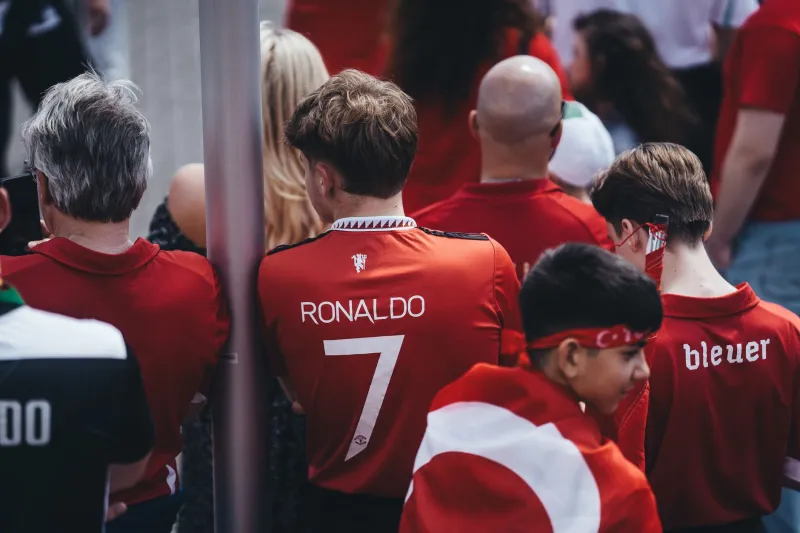
Phillies fans are a passionate bunch, and when it comes to game day superstitions, the Citizens Bank Park faithful have elevated lucky-gear rituals into something that borders on high art. We're talking about specific jersey rotations, unwashed hats worn through entire postseason runs, and vintage tees that haven't seen the inside of a dryer since 2008. This is the superstition closet — and it's more crowded than you might think.
The Unwashed Jersey: Gross? Yes. Effective? Absolutely.
Ask around any tailgate lot and you'll find at least one fan who hasn't washed their game-day jersey since the start of a winning streak. There's a name for it in baseball circles: the hot jersey. It's the piece of merch that was on your back when everything went right, and the logic — if you can call it that — is simple. Wash it, and you wash away whatever magic is living in those fibers.
Take Mike from South Philly, who swears his Chase Utley replica jersey went unwashed through a 12-game stretch in 2011. "My wife threatened to move it to the garage," he says. "I told her it was a historical artifact." He lost the argument about the garage. The Phillies lost their next three games. Coincidence? Mike doesn't think so.
The psychology here is actually pretty well-documented. Behavioral economists call it "magical thinking" — the tendency to believe that unrelated actions are causally connected. It's the same reason athletes wear the same socks during a hot streak. When your brain links a specific stimulus (the jersey) to a positive outcome (a Phillies W), it builds a mental shortcut that feels completely real, even when the rational part of you knows better.
But here's the thing: it doesn't have to be rational to matter. If wearing that unwashed Trea Turner jersey makes you feel more confident, more connected, and more locked in during a big game, then it's doing something real for you — even if it's not doing anything for the team.
The Cursed Cap: When Gear Goes Wrong
Of course, superstitions cut both ways. For every lucky jersey, there's a cursed hat. You know the one. You wore it to a game that went sideways in the worst possible way — a walk-off loss, a rain delay that lasted three hours, an error that still haunts your dreams. And now that hat sits in the back of the closet like a bad omen wrapped in red wool.
Some fans retire the cursed gear entirely. Others perform what can only be described as exorcism rituals — washing it obsessively, leaving it in a drawer for a full offseason, or in extreme cases, donating it to a rival fan just to get it out of the house. One fan from Fishtown described buying a brand-new Phillies cap every time the old one "went cold," building up a collection of retired lids that she keeps in a box labeled, no joke, "Do Not Open."
The flip side is the fan who refuses to give up on a struggling piece of gear. They'll wear the cursed hat defiantly, convinced they can turn its luck around — and when the team finally wins wearing it, the redemption arc feels genuinely satisfying. That's the thing about superstitions: they create stakes where there technically aren't any, and those stakes make every game feel a little more personal.
Building the Game Day Ritual Around Your Gear
For a lot of Phillies fans, the superstition isn't just about one piece of clothing — it's about the whole routine. The order you put things on. The specific combination of jersey, hat, and hoodie that has to be assembled in exactly the right sequence. The shirt you wear underneath that nobody sees but you know is there.
Jessica from the Northeast has a full pre-game checklist. Red Phillies hoodie, game-worn style jersey over it, her grandfather's old Phillies pin on the left side of the hat, and a specific pair of red sneakers she bought the week before the 2022 NLCS run. "I don't consider any of it irrational," she says with a grin. "I consider it preparation."
That framing — superstition as preparation — is actually a really healthy way to think about it. Game day rituals, even the ones built around lucky gear, give fans a sense of agency in a situation where they have exactly zero control. You can't call the pitching rotation. You can't tell the manager when to pull the starter. But you can wear the right jersey, and that act of choosing, of suiting up in your Phillies best, creates a psychological sense of participation that makes the whole experience richer.
Passing Down the Lucky Gear
Some of the most powerful superstitions in Phillies fandom aren't ones fans invented themselves — they inherited them. A dad's old batting practice jersey that's been worn to every playoff game since the late '90s. A grandmother's Phillies scarf that comes out only when the team needs a win. These pieces carry layered meaning: they're lucky because they've been designated as lucky across multiple generations, and that collective belief gives them a kind of emotional weight that no amount of new merch can replicate.
There's something genuinely moving about that. A piece of Phillies gear becomes a physical thread connecting you to the people who loved this team before you did, and who'll love it long after a specific season fades from memory.
So, Should You Lean Into It?
Look, nobody's saying you have to build a superstition closet. But if you've already got one — if there's a jersey you refuse to wash or a hat you won't risk wearing to a big game — you're in very good company. Phillies fans have been attaching meaning to their gear for decades, and that meaning is part of what makes fandom feel like more than just watching a sport.
The gear you wear to the game is an expression of loyalty, of hope, and yes, sometimes of a completely irrational belief that your specific red t-shirt is the deciding factor between a win and a loss. And honestly? We wouldn't have it any other way.
So the next time you reach into the closet on a game day, pay attention to what you grab first. It might just be trying to tell you something.